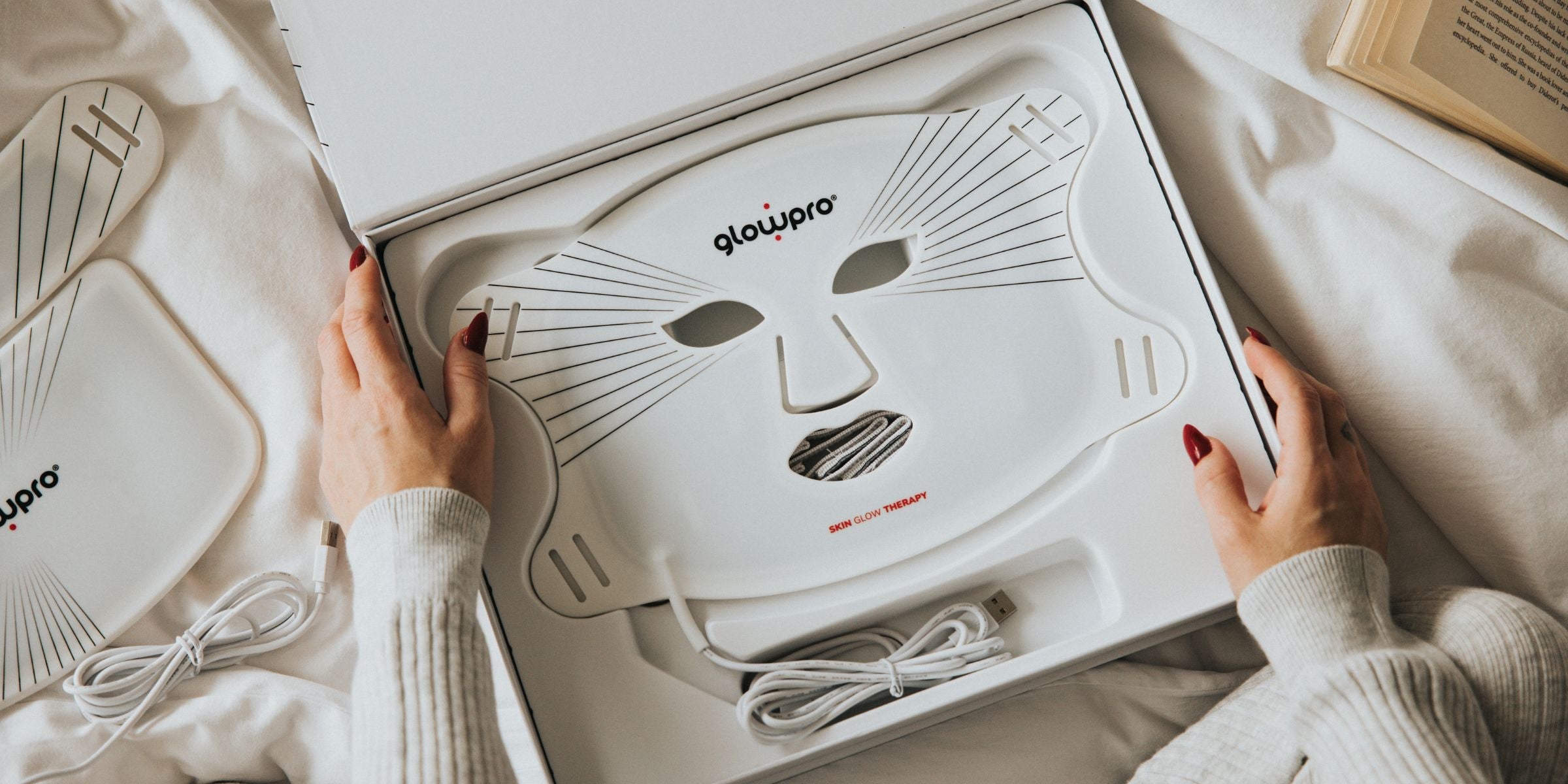
Red light therapy uses a specific natural wavelength of light to harness therapeutic, medical, and cosmetic benefits. It is a combination of LED diodes that emit red light and warmth.
With red light therapy, you expose your skin to a red light lamp, device, or laser. A part of your cells, called mitochondria, absorbs it and produces more energy.
Red light therapy uses low wavelengths of red light as a treatment because this specific wavelength is considered bioactive in human cells and can directly and specifically influence cellular improvement and function. Thus, it helps in healing and strengthening skin and muscle tissues.

Red light therapy can penetrate from the top layer of the skin to the deep levels of the dermis. It uses very low levels of heat and does not damage or burn the skin. The other advantage is that it is not the same type of light used in tanning beds, so it does not expose your skin to harmful UV rays.
As a treatment, red light therapy is an excellent alternative for those who prefer non-invasive therapy over medications, as the latter can have serious side effects. To date, various studies have been conducted on red light therapy, and research continues to evaluate its effectiveness for a wide range of health uses.
"
What is the difference between red light and infrared light?
It may come as a surprise that all red light therapies are not the same. There is red light and infrared light. The difference lies in how their wavelength depth penetrates the body. Red light occupies the "long end" of the visible spectrum with long waves from 630 nm to 700 nm, while infrared is directly next to red light on the electromagnetic spectrum with waves from 800 nm to 1000 nm. From the perspective of the benefits you want to receive from red light therapy, it is essential to know the differences between them. Let's examine how they offer some similar but at the same time different benefits.
Red Light
Since red light is located at the end of the visible long-wave spectrum, it acts primarily on the surface of the skin. This form of red light therapy aims to treat skin problems and improve signs of aging. If you are looking for a boost for your cosmetic routine, red light therapy may be the key you have been looking for.

These are the benefits of red light:
Acne
Red light therapy can help with acne as it penetrates deep into the skin, affecting sebum production, while also reducing inflammation and irritation in the area. The less sebum you have on your skin, the less likely you are to have breakouts.
Wrinkles
This treatment stimulates collagen production in the skin, helping to smooth out wrinkles and fine lines that come with aging and damage from prolonged sun exposure.
Skin problems
Some studies have shown major improvements in skin problems with just a short two-minute session per week with red light therapy. In addition to improving the overall appearance of the skin, it is also said to reduce the sensation of itching. Similar results were found in patients with psoriasis, reducing redness, inflammation, and accelerating the skin healing process. Even herpes outbreaks have been reduced with the use of this treatment.
Skin improvement
By helping to reduce acne and skin conditions, red light therapy also improves the overall texture of the face and rejuvenates the skin. This is achieved by increasing blood circulation between blood cells and tissues. Regular use can also protect cells from skin damage, helping to maintain the skin's appearance in the long term.
Wound healing
Studies have shown that red light therapy can help wounds heal faster than other products or creams. It does this by reducing inflammation in cells; stimulating the formation of new blood vessels; increasing beneficial fibroblasts in the skin; and increasing collagen production in the skin to help with the healing of rashes.
Outside the visible wavelength range lies the intriguing infrared light, which makes it invisible to the human eye. For those of us looking for full-body benefits, infrared light is the solution! Infrared light penetrates deeper into the body, allowing it to treat muscle and nervous system pain.
These are the ways you can benefit from infrared light therapy.
Benefits of Infrared Light
Increased blood circulation
The light energy that your cells absorb makes them more active, increasing blood circulation in the treated area. Increased blood circulation can support cellular renewal and regeneration, a combination that works to reduce inflammation and repair wounds or injuries to stay on track with your fitness goals.
Cardiovascular health
Infrared light increases the production of nitric oxide, an important signaling molecule for blood vessel health. This molecule helps relax arteries and prevent blood from pooling in the vessels. Nitric oxide is essential for improving blood circulation, supplying more oxygen and nutrients to damaged tissues.
Pain and inflammation
With more oxygen and nutrients, infrared light therapy promotes healing in the body. It relieves pain and inflammation and protects against oxidative stress. This means less pain in your daily life as well as during and after your workouts!
Muscle injuries
Infrared light can promote the growth and repair of new muscle cells and tissues. Are you looking to speed up recovery after an injury? This could be the answer you have been looking for!
Detoxification
If you apply infrared therapy through saunas, it can strengthen your immune system by raising your core temperature to detoxify at a cellular level. This detoxification process can also improve food digestion. Some have also found it useful for weight loss by boosting metabolism and breaking down fats in cells to be released from the body.
Sleep
Recent research is showing that red light therapy treatments can help people produce more natural melatonin, so they can have improved sleep quality and duration. Artificial blue light can have a negative effect on our circadian rhythm. Red light therapy treatments provide your cells with the natural light needed to produce more ATP (adenosine triphosphate) energy, which in several peer-reviewed studies has improved sleep disorders for patients.

Using Red Light Therapy at Home
Choosing to bring a red light device into your home can be a wonderful way to incorporate red light therapy into your wellness routine without having to pay the high prices of a doctor's office or salon. However, it is essential that you do your research and get some advice from a professional before you start directly. An inexperienced practitioner or someone who is over-exposed to the treatment can cause damage to your tissues and cells, leading to burns or skin damage.
What also helps you avoid this result is choosing a device from a reliable source. Make sure it complies with government standards before letting it come anywhere near your skin! In general, home devices you purchase are less intense than those you would experience in a doctor's office or salon, so know what you need before you buy.
Is it safe?
Even though researchers continue to investigate how and why red light therapy works, it is generally considered safe for use. However, it is best to speak with your doctor if you are pregnant, have any medical condition, or are taking any medication. If you are a person with sensitivity to light, sunburns, or have recently applied agents or solutions such as chemical peels, you might want to be careful with this treatment for the time being.
One of the most recommended tips in red light treatment is to avoid looking directly into the red light as this can cause glare or visual discomfort. For some people, this can cause migraines or seizures. LED light therapies usually include goggles to be worn when the light is activated to prevent these events.
Conversely, red light therapy does not have the same risks as sun exposure. Red and infrared lights produce non-ionizing forms of radiation. This means that red and infrared light therapy devices do not pose the same risks as UV light or X-rays.
While ionizing radiation contains enough energy to affect the structure of an atom, non-ionizing radiation in LED light treatments does not have this negative effect.
.