Millions of people experience inflammation, but what is it? This article provides an overview of inflammation: its types, causes, symptoms, and treatments. It also examines how red light therapy promotes balance, optimizes cellular function, and supports your body's response to inflammation and pain.

What is Inflammation?
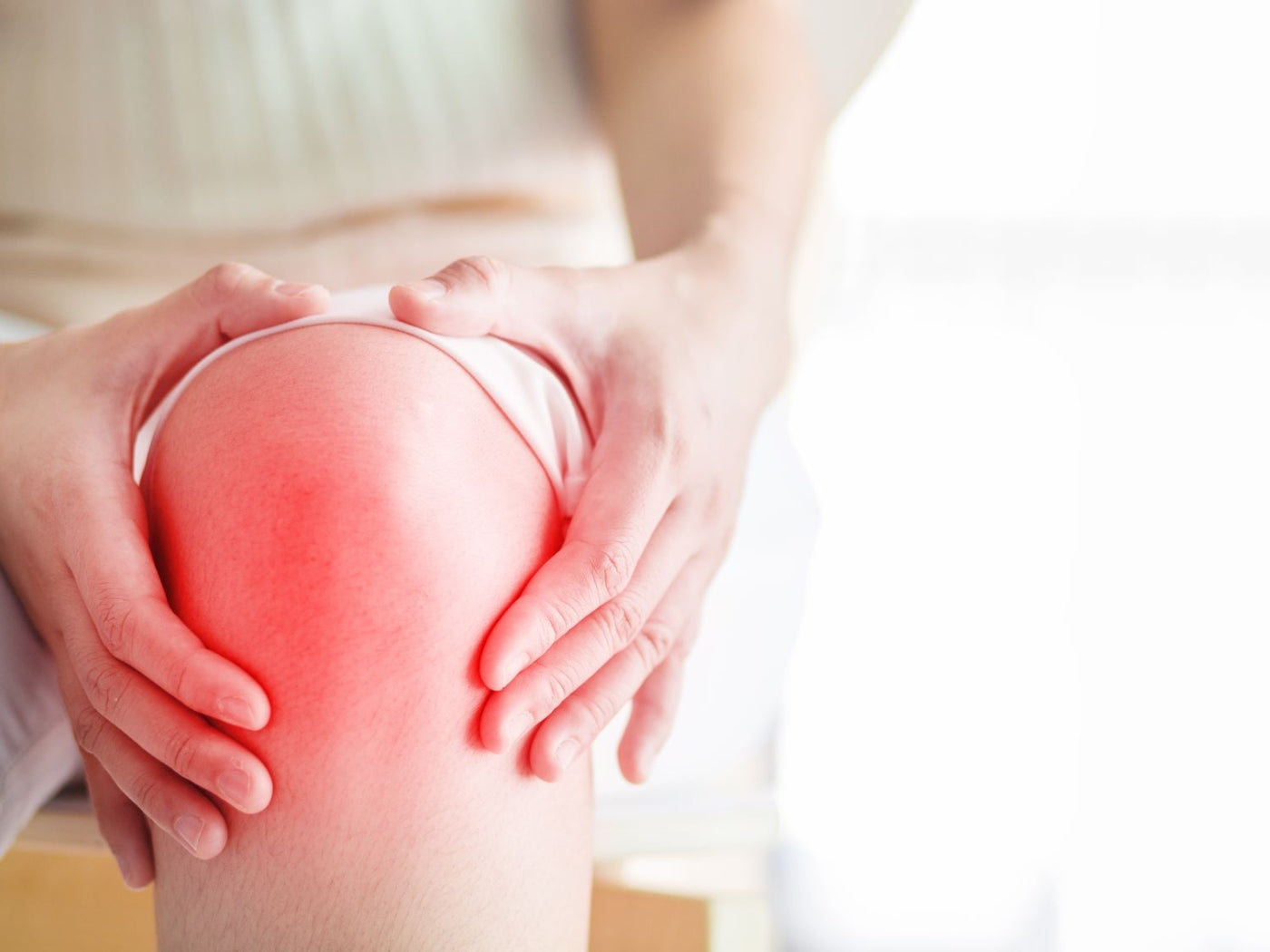
You probably recognize inflammation when you see it: a part of your body becomes redder, warmer, swollen, and often painful, in response to an injury or infection. However, inflammation is not just a symptom, but a complex (and necessary) process that occurs in every living organism. You can think of inflammation as your body's programmed response to danger. It is one of your immune system's first actions against germs, irritation, and cell damage. But if inflammation becomes a chronic issue, it can also be a path toward disease and broader dysfunction in the body.
What causes inflammation?
Inflammation can be caused by almost anything that stresses the body. There are clear physical causes of inflammation such as injuries and wounds, burns, and complex problems. Inflammation also occurs in response to biological factors such as infection by germs and stress. Chemical irritants, toxins, and alcohol can also cause inflammation.
Our bodies can also become inflamed in response to environmental stressors—such as insufficient sleep, poor diet, dehydration, and exposure to toxins. Over time, these environmental factors can play a role in the development of chronic inflammatory conditions that have more serious consequences for long-term health.
Signs and Symptoms of Inflammation
The five classic signs of inflammation are warmth, redness, swelling, pain, and loss of function. Pain is caused by chemicals like bradykinin and histamine that your body releases to stimulate nerve endings as a danger signal. Clinical evidence also shows that inflammation can cause depression, and conversely, depression can cause inflammation.
Acute or Chronic Inflammation?
Not all inflammation is a bad thing for your health. Acute inflammation can help our body recover from a specific problem. In a normal response to stress or injury, inflammation begins within a few hours and works to clear damaged tissue and begin the repair process. When the injury or strain heals, the inflammation fades.
Chronic inflammation, on the other hand, is often caused by frequent and persistent acute inflammation, as well as viral infections, autoimmune reactions, repeated tissue damage, and foreign bodies that are not removed. Chronic inflammation can be very painful and lead to other problems, such as arthritis, dull skin, poor gut health, and even an increased risk for certain types of cancer. Chronic inflammation is very common and can be the foundation for other diseases such as heart attack, heart disorders, diabetes, and cancers that cause more than half of human deaths.

Treatments for Acute Inflammation, Risks and Side Effects
Inflammation is often treated with NSAIDs, or non-steroidal anti-inflammatory drugs, including variants such as aspirin and ibuprofen which are available over the counter and are supposed to have lower risks and can treat symptoms of acute pain. To treat more serious chronic inflammation, people often take prescription NSAIDs, but these have shown high risk for people over the age of 60 and kidney risk for the general population.
However, these established treatments for inflammation usually only address the symptoms of inflammation, such as pain and swelling, not the underlying causes, such as cellular function, tissue regulation, and biological imbalances.
Given that inflammatory conditions are common and the limitations of existing treatments, it is no wonder that many people are looking beyond NSAIDs and medications for solutions to chronic inflammation and pain. Lifestyle factors (diet, exercise, sleep quality) play a huge role in keeping the body in proper balance, to prevent acute inflammation from becoming chronic. Healthy light exposure is also important, so that cells can repair, regenerate, and produce energy efficiently. In the following section, we will see how light, and specifically red light therapy treatments, can help support the cellular response to inflammation and pain.
Red Light Therapy for Pain Relief and Inflammation Management
Red light therapy treatments are part of a healthy lifestyle, and can help maintain the body's balance and improved cellular function. Like exercise, healthy eating, and restful sleep, healthy light exposure can have a major impact on managing inflammation and pain.
What is Red Light Therapy? Red light therapy, also known as photobiomodulation (PBM) or low-level laser therapy (LLLT), is a simple non-invasive treatment that delivers red and near-infrared (NIR) light wavelengths to the skin and cells. The term "red light therapy" covers treatments from diodes that emit specific wavelengths of red and NIR light to the skin and cells.